We’ve been hearing details about the Ford Fathom for just about a year now, and production remains about a year out. The Rivian R3 is a worse offender; It was fully revealed in 2024, and there’s still no announced production date. Yet both of these hype cycles pale in comparison to the second-generation Tesla Roadster, which was announced nearly nine years ago and still hasn’t shipped.
These ultra-long public development processes are frustrating for consumers, who often have to deal with much-hyped models being delayed, canceled, or priced far higher than originally announced. So why do automakers do it? I break it down in my latest below.
Plus, close out your week with these stories:
Everything we know about the Ford Fathom.
Subaru’s EV marketing problem.
How much quicker is Tesla’s newest FSD hardware vs. HW3?
— Mack Hogan, Editor-in-Chief
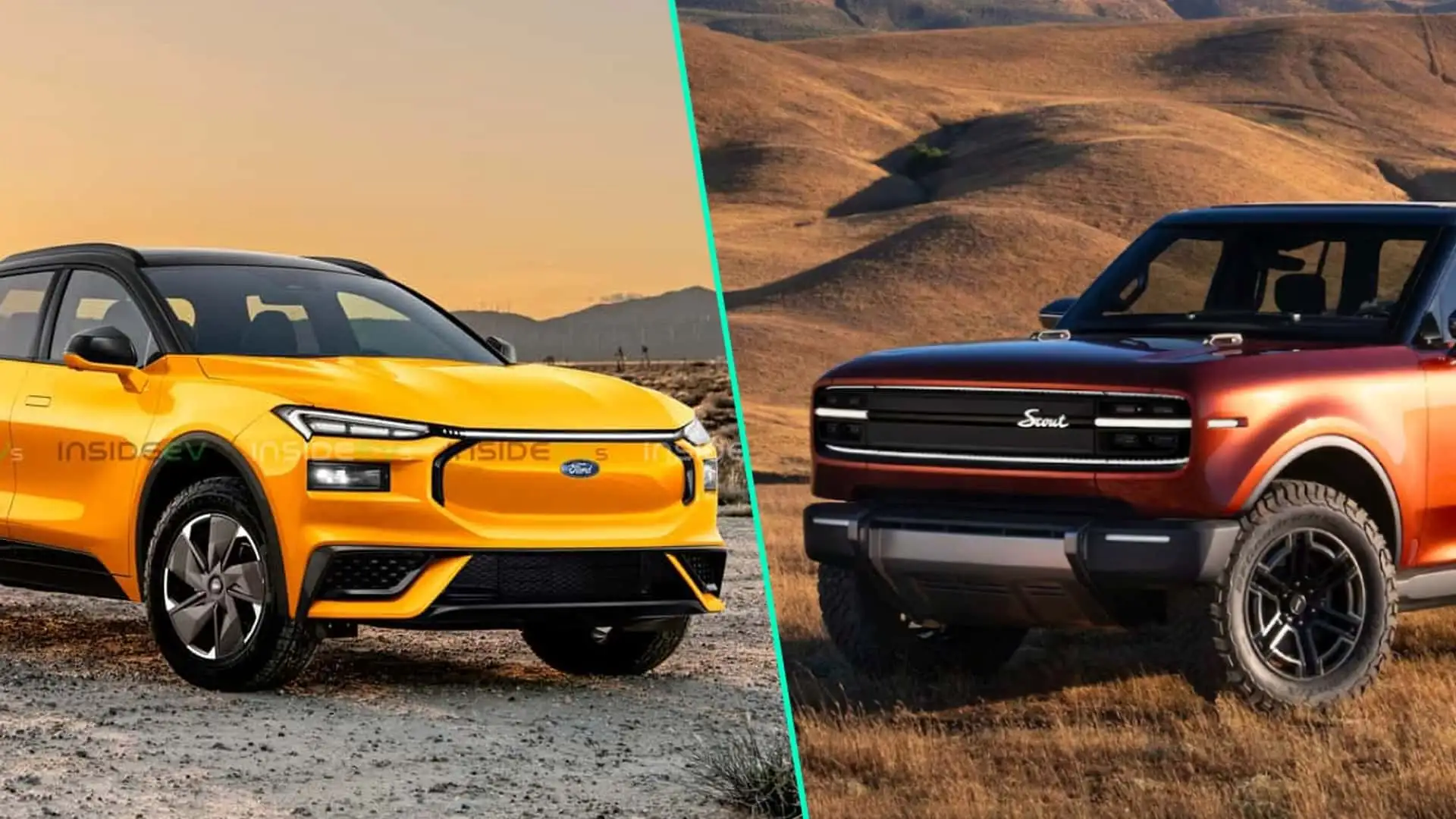
Photo: InsideEVs
EV Reveals Have Gotten Way, Way Too Drawn Out. The Ford Fathom Proves It
Here's why automakers now announce products years before building them, and why they're unlikely to change course.
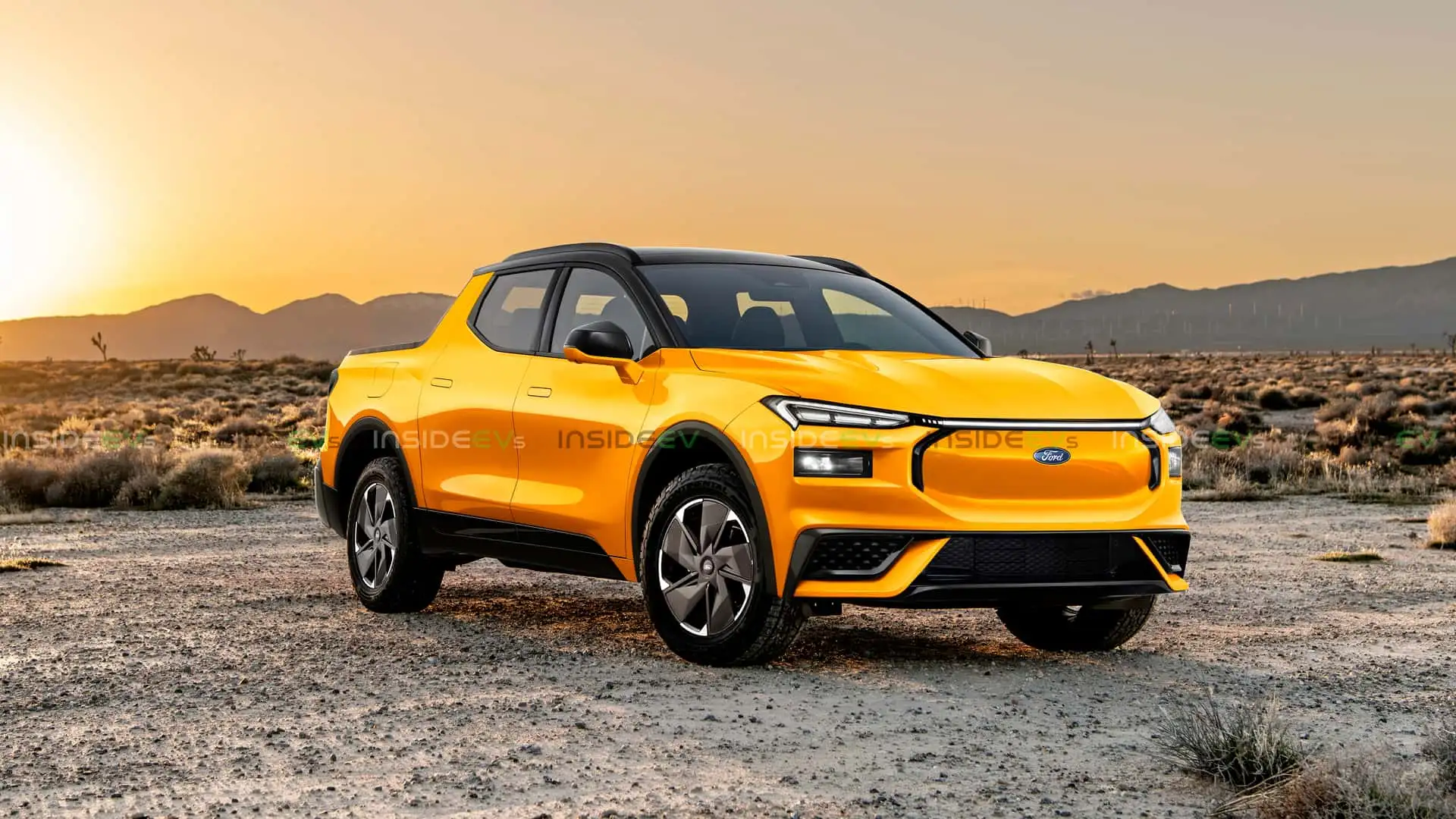
Photo: InsideEVs
Ford Fathom: Everything We Know About The Sub-$30,000 Affordable EV Truck
Ford's low-cost EVs are meant to battle efforts from China and Tesla. Here's what we think we know so far.
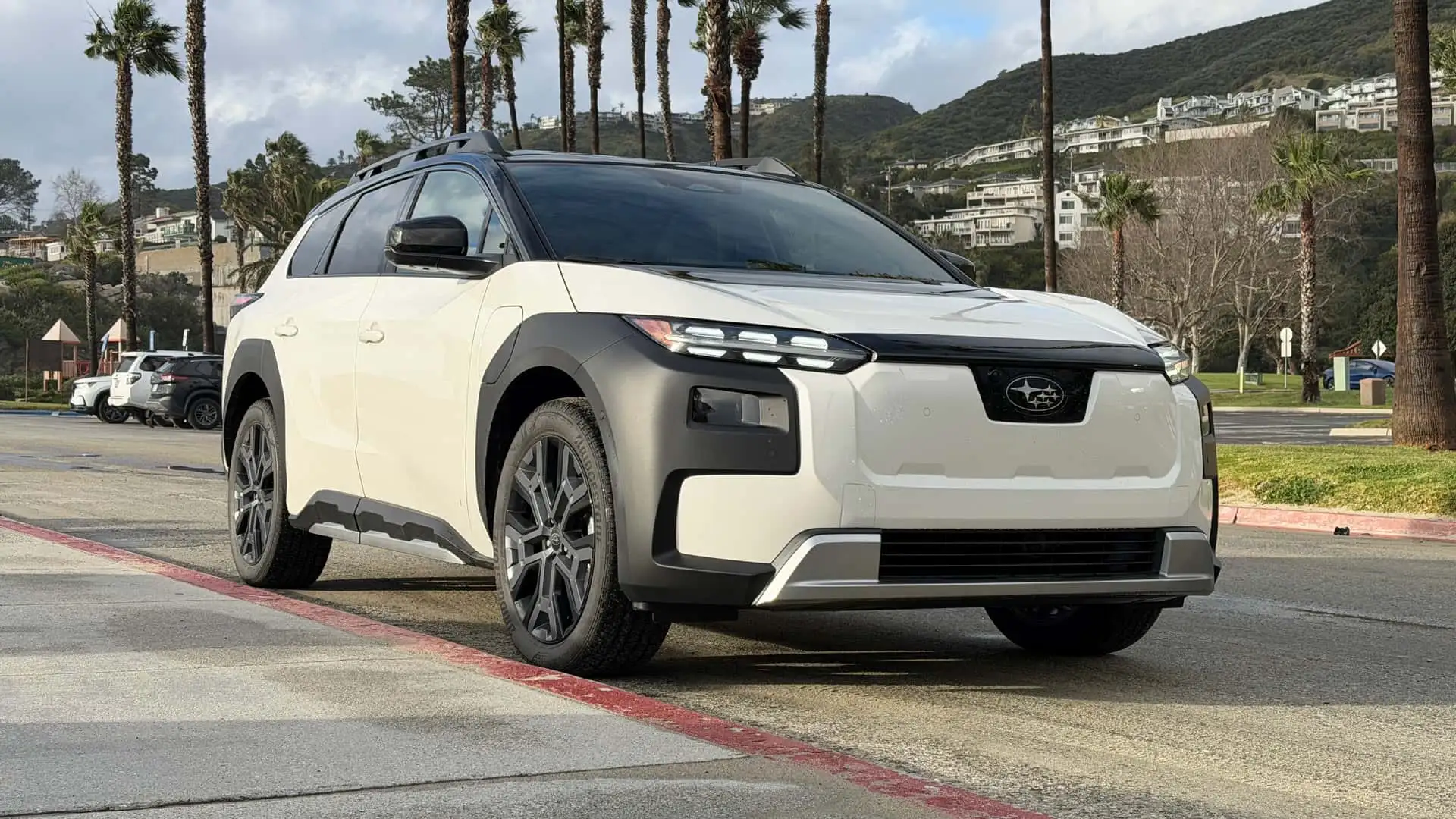
Photo: Mack Hogan
Subaru Is Spending Three Times More To Sell EVs Than Gas Cars. It's Not Working
The company’s U.S. marketing expenses reportedly increased 40% last quarter, with most of the money going to EVs.
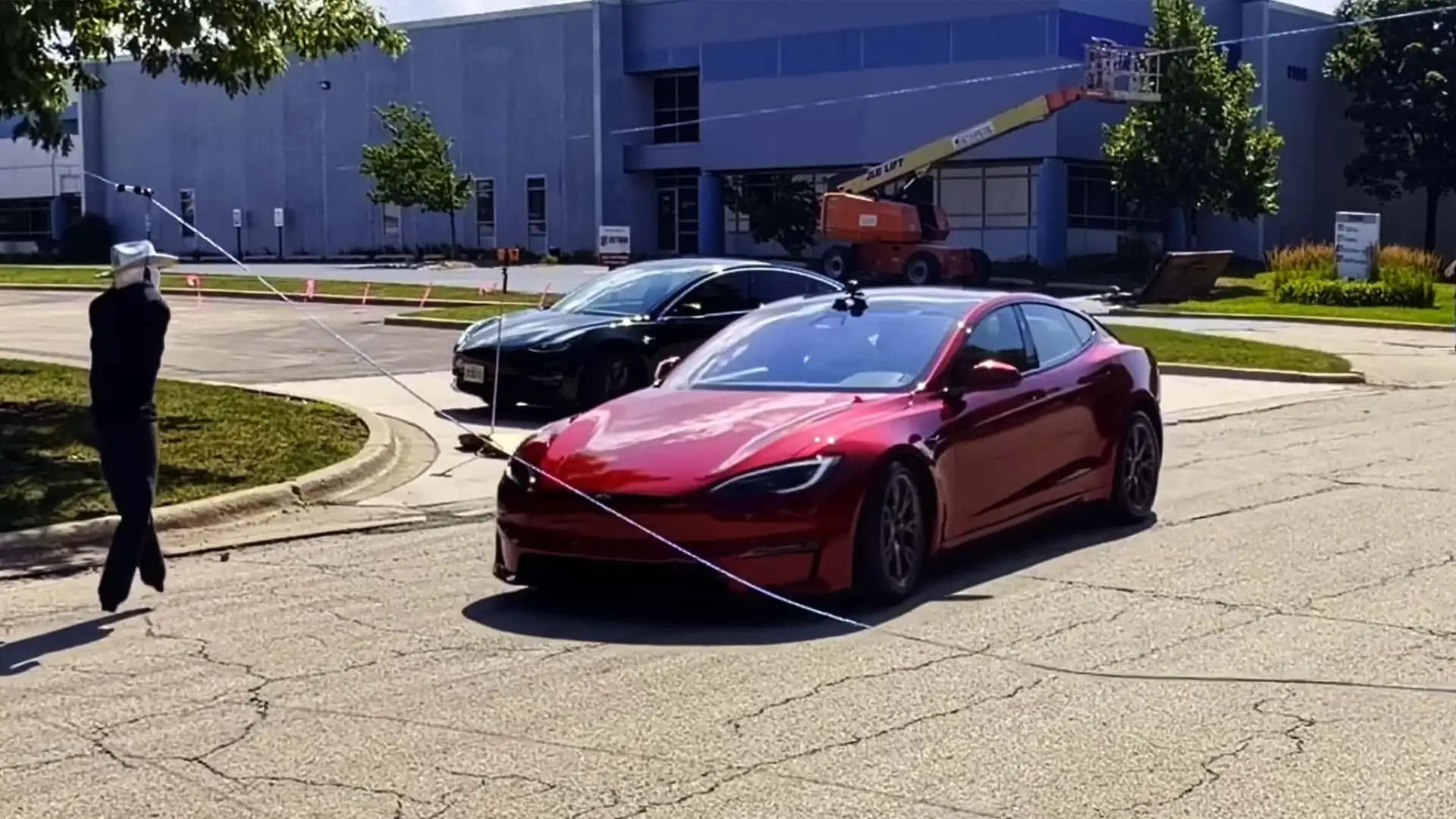
Photo: TechGeek Tesla
How Much Quicker Is The Newest Version Of Tesla FSD? This Test Put It Against Old Software To Find Out
A YouTuber put three Teslas in a back-to-back test to measure reaction time. The results showed how both hardware and software have progressed.