High-power fast charging is the single biggest contributor to accelerated battery aging in electric vehicles, according to a new report from fleet telematics firm Geotab.
Fast-charging isn’t inherently harmful. The problem starts when fast chargers become your default choice. I explain why that degradation actually happens, and why charging power now matters more than mileage or age.
Here’s some other big news items you may have missed:
Mercedes-Benz High-Power Charging is doubling down on 400 kW chargers that work with any EV, without any adapter.
General Motors CEO Mary Barra remains bullish on an all-electric future, even as new regulations reset the industry.
Multiple battery capacities are also in the pipeline for Ford’s affordable electric pickup, the automaker’s EV chief confirmed.
—Suvrat Kothari, Staff Writer
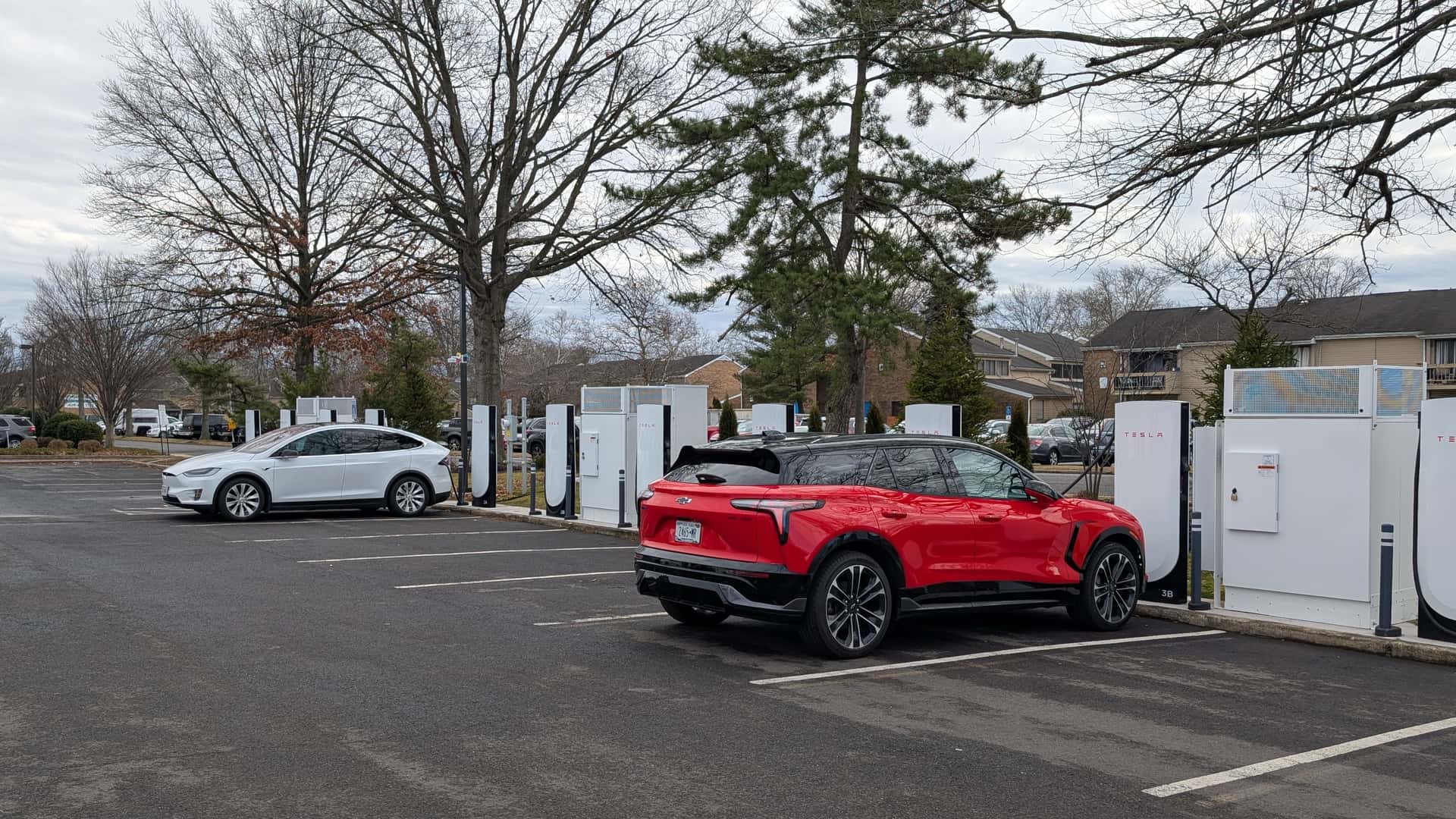
Photo: Suvrat Kothari
High-Power Fast Charging Is The Leading Cause Of EV Battery Degradation: Report
Fancy, high-powered EV charging stations are becoming common in North America. This is how they affect batteries.
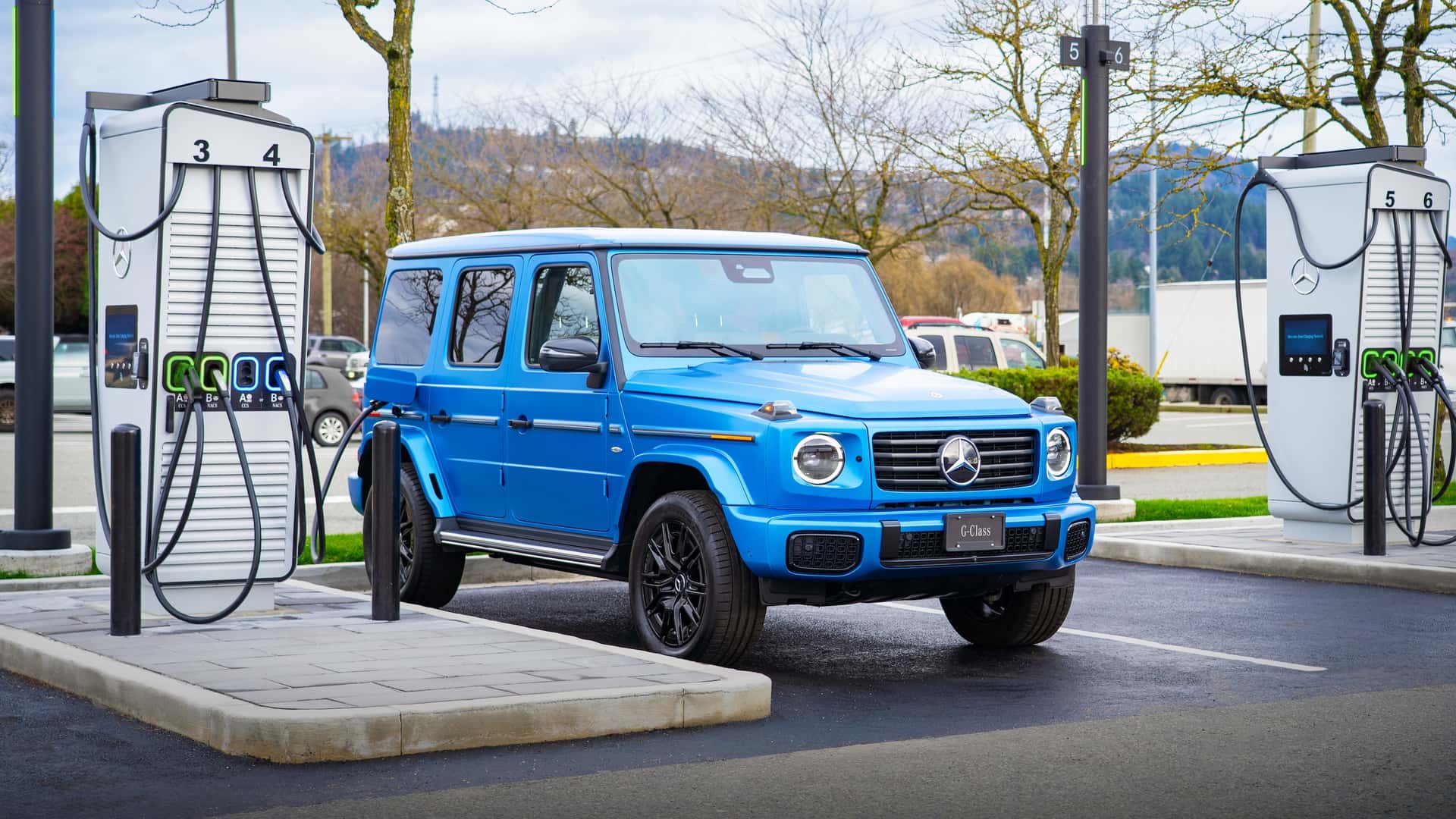
Photo: Mercedes-Benz
Mercedes-Benz's Charging Network Wants You To Leave That Adapter At Home
Mercedes-Benz High-Power Charging is doubling down on 400 kW chargers that work with any EV—without a Tesla NACS or CCS adapter.

EVs Are ‘The End Game,’ GM CEO Mary Barra Says A Day Before Trump's Detroit Visit
General Motors scaled back its EV plans. But its CEO remains bullish on an all-electric future, even as new regulations reset the industry.
Ford’s $30,000 EV Truck Will Offer All-Wheel Drive After All
Multiple battery capacities are also in the pipeline for Ford’s affordable electric pickup, the automaker’s EV chief confirmed.